Highlights from “Advancing Ohio’s Urban Agenda”

January 25th, 2013

On our journey from Cincinnati to Columbus to Cleveland for the joint ULI/GOPC/LOCUS event series, “Advancing Ohio’s Urban Agenda: Walkable Communities for Globally Competitive Cities,” trends amongst the three cities became apparent as participants engaged in the dialogue about addressing the market demand for walkable development in Ohio. We were able to capture some of these trends in both text and film (yes, videos are coming!) form and would like to share some of the key highlights with you.

Highlights from the Events:

  • Millennials (aka Generation Y) are shifting market demand and cities in Ohio must meet that demand for walkable, urban development in order to remain globally competitive.
  • As more walkable development (approximately 100-500 meters in diameter of mixed-use, pedestrian-friendly development) is added to areas, their property values increase and the local market improves.
  • Transportation drives development. If developers build quality products in the right locations with access to urban-friendly transportation systems, they will get a price premium. Seventy percent of ballots across the nation to increase sales tax to fund public transportation have passed.
  • Read the rest of this entry »

Advancing Ohio’s Urban Agenda

January 18th, 2013

In Ohio and around the country, real estate developers and investors are recognizing pent-up demand for and a market shift toward sustainable, walkable urban places. Despite this paradigm shift and change in market momentum, many local, state and federal policies currently in place distort development incentives and hamper efforts to create the development consumers want and that support strong local economies. Urban developers and real estate and land use experts can align to provide state and national policy makers with expert advice on current consumer demand and the many benefits of urban and metropolitan growth strategies.

Over the past few days—January 16th and 17th—Greater Ohio traveled to Cincinnati, Columbus and Cleveland to co-host events with the Urban Land Institute (ULI) district councils of Cincinnati, Cleveland and Columbus, as well as LOCUS to host “Advancing Ohio’s Urban Agenda: Walkable Communities for Globally Competitive Cities,” an exclusive series featuring Christopher Leinberger, President of LOCUS—a national network of real estate developers and investors that advocates for sustainable, walkable urban development in America’s metropolitan areas.

These first-of-their-kind events in Ohio provided a forum to connect developers from urban centers across the state to discuss the demand for sustainable communities. The gatherings were a critical first step toward identifying ways to inform policymakers and ultimately help more communities across Ohio develop in ways that are sustainable for the environment, the people living in them, and their bottom lines.

Click here to read Mark Ferenchick’s Columbus Dispatch article on the Columbus event: “Walkable urban development will keep younger professionals in Columbus, expert says”.

Greater Ohio 2012 Accomplishments

January 18th, 2013

We are proud of the accomplishments we have made in 2012. To fill you in on what’s been going on at GOPC’s office and throughout the state in the past year, below is a list of our accomplishments within our three priority policy areas: Urban Core and Neighborhood Redevelopment, Transportation and Sustainable Growth, and Regional Governance Reform. Together, redeveloping our urban centers, expanding our transportation options, and fostering regional cooperation will contribute to smarter, more sustainable growth, improving our quality of life and economic competitiveness in Ohio.

URBAN CORE & NEIGHBORHOOD REDEVELOPMENT

Raising Our Statewide Profile:

  • Ohio Properties Redevelopment Institute. GOPC hosted this innovative two-day forum that promoted solutions to vacant and abandoned properties. Nearly 200 local leaders from municipalities and non-profit community development organizations across the state attended.
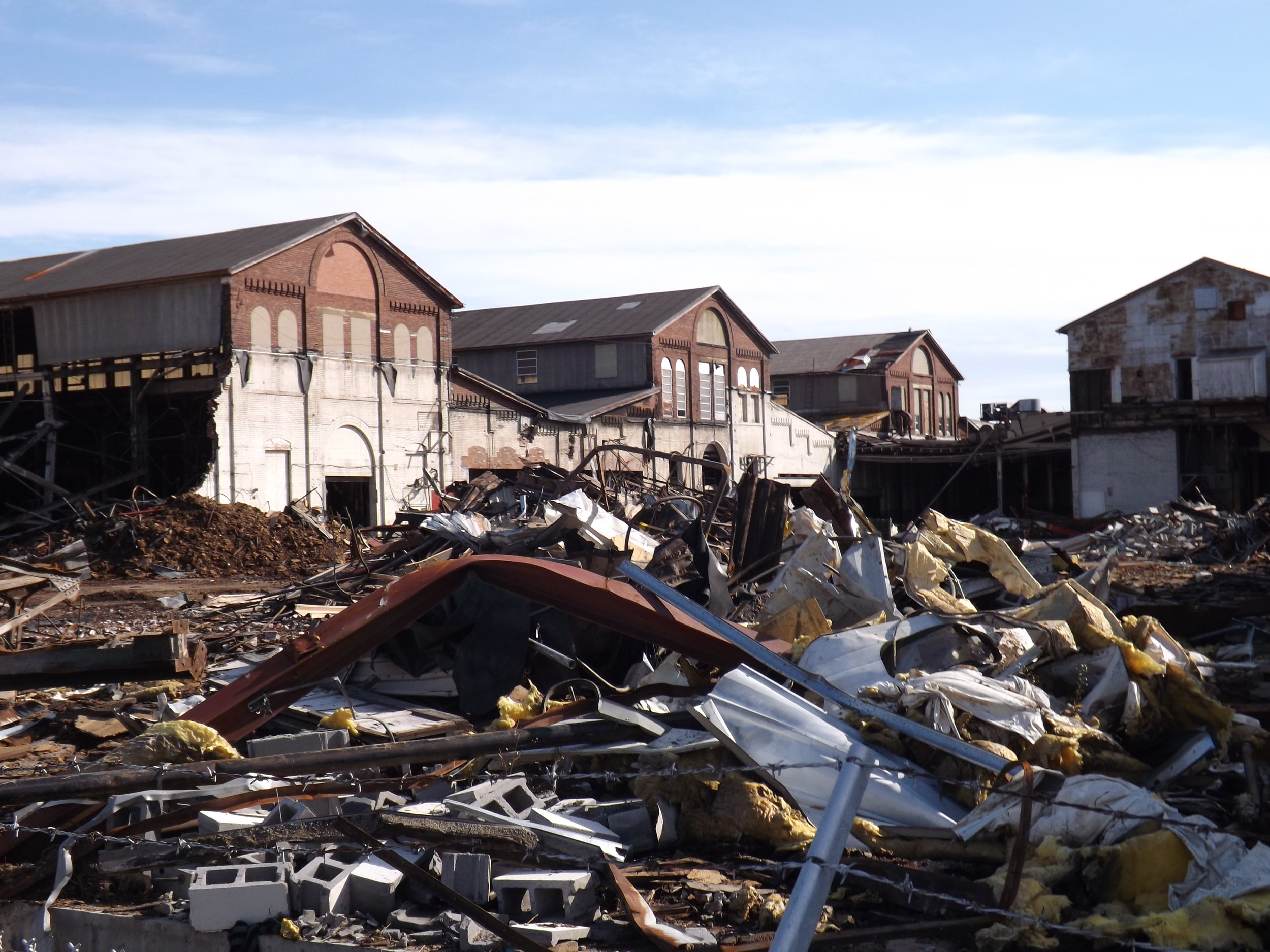
  • Moving Ohio Forward Grant Program. The Ohio Attorney General’s office contracted with the GOPC to provide technical assistance to communities for the Moving Ohio Forward Grant Program, which supports Ohio’s communities undertaking activities to demolish abandoned and vacant residential properties.
  • Panels and Keynotes. GOPC presented on urban revitalization issues over 20 times to a variety of audiences including Ohio code enforcement officers, Cincinnati’s Foreclosure Group, Cleveland’s Vacant and Abandoned Property Action Council (VAPAC), and Heritage Ohio workshop attendees.
  • In the Media. In 2012, GOPC was quoted or cited over 50 times in Ohio’s major newspapers and other publications around the country. In one article about vacant properties, The Columbus Dispatch relied heavily on data and graphs produced by GOPC.

Read the rest of this entry »

Columbus Taking a Giant Leap Toward Multi-Modal Transit

December 14th, 2012

By John Gardocki, Greater Ohio Policy Center Intern

Columbus Mayor Michael Coleman recently announced a plan to roll out the first bike share program in the state in the summer of 2013.  The metropolitan cities of Chicago, Washington, D.C., Minneapolis, and Portland all have successful programs.  New York City and Columbus seem to be the next big ones to join in the craze. 

Managed by Alta Bicycle Share, the program will include approximately 30 stations with 10 bikes at each station for a total of 300 bicycles- however you can return the bike at any of the 30 stations located at major spots in Downtown and the surrounding communities. 

Public involvement will be integral for the locations of the bike share stations.  With the addition of the bike share program, Columbus will have an additional transit option in the downtown area for residents and business people.  Alta operates Capital Bike share in the Washington, D.C. area, Hubway in the Boston Metro, Melbourne Bike Share (Australia), and Chattanooga’s Bicycle Transit System.  Capital Bike Share has seen an increase in all types of memberships since beginning operations in 2010. 

There are many pro-bike coalitions across the U.S. that collect statistics to compare with other modes of transportation.  It is important to document the statistics of bicycling so people can see whether or not it will be beneficial for them to switch modes of transportation.  Bikes Belong is an organization devoted to increasing the amount of bikers on the roads.  Bike commuters report lower stress and greater feelings of freedom, relaxation, and excitement than car commuters. Appleton, M., 2011 While Columbus has a relatively stress-free commute compared to other metropolitan cities; it still puts a hamper on people’s behaviors.

Bike share is a cost effective solution for urban center residents and workers to commute sustainably.  The Bureau of Transportation Statistics in 2010 stated, “The average American household spends $7,179 per year on owning and driving their cars. Cost savings for riding a bicycle are incredible especially if it is done on a daily basis.”

With the implementation of the bike share Columbus will not only be providing more transit options; but also improving the region’s health by reducing carbon emissions and encouraging exercise.  With more people bicycling on the streets, drivers should be more willing to share the road thus making it safer for all types of transportation modes.  This exciting development will be watched closely as implementation occurs because Columbus residents have been seeking greater investment into transportation choices.

Want More Transportation Options in Ohio? Let ODOT Know in this Survey!

July 18th, 2012

The Ohio Department of Transportation (ODOT) is currently writing its long-term transportation plan called Access Ohio 2040. You can participate in their stakeholder engagement process by going to this link and clicking “Take the Access Ohio Survey.” Let them know your priorities for transportation in Ohio!

At Greater Ohio, we support investing in fix-it-first strategies for Ohio’s existing transportation infrastructure and finding more sustainable funding sources for our public transit systems.

By increasing our state’s transportation options with increased bus, rail, pedestrian and bicycle infrastructure, we can reduce our dependency on and need for new and expanded roads. Not only will a comprehensive transportation system limit the cost of infrastructure to taxpayers in the long term, but also decrease traffic congestion, fossil fuel consumption, and health issues related to inactivity. Building more robust public transportation systems will also help create jobs and boost economic development in the state, because people and businesses want to locate in areas that are accessible by more means than just cars. As the price of fossil fuels continues to escalate, it’s time that as a state, we build a more sustainable system of transportation.

You can help make a difference for the future of transportation in Ohio by taking this survey and letting ODOT know your priorities for transportation in Ohio.

Bike to Work Day May 18th

May 17th, 2012

Don’t forget that Friday, May 18th, is National Bike to Work Day!

According to the 2010 Census, over half a million people in the United States ride their bikes to work.  In Ohio, 3.8% of workers in Akron, Cincinnati, Cleveland, Columbus, Dayton and Toledo ride their two-wheelers to their jobs.

In Ohio, multi-modal streets (meaning streets that can handle a range of traffic besides just cars) and dedicated, non-motorized, bike paths are two important ways bicyclists can safely travel to work.  These safety amenities are important elements to making our metros attractive places to work, play, and live in.  As quality of life factors, bike lanes and multi-modal streets make it easier to exercise, but they also reduce car traffic, which in turn reduces the “wear-and-tear” on our roads that costs taxpayers so much.

Columbus, Ohio makes one “best biking cities” list and we know that Dayton, Cleveland and Cincinnati are focusing on improving their biking ecosystems.  With many of Ohio’s railroad lines now decommissioned, dozens of rail lines are being converted to trails with the advocacy efforts of “Rails to Trails.” Rails to Trails has dozens of trail maps for Ohio—see if there is one near you!

Check out this link for the different ways you can participate in National Bike to Work Day.  Hope to see you out there!

Dublin Bridge Street Corridor Plan brings potential to Columbus Metro Area

April 13th, 2012

By John Gardocki, Greater Ohio Intern

The Dublin Bridge Street Corridor Plan is unique to the Columbus Metro region because it calls for such an expansive plan covering over 800 acres of land.  Dublin has issued vision principles and plans for each district that will encompass the plan for smart growth.

 Vision Principles:

1.) Enhance economic vitality

2.) Integrate the new center into community life

3.) Embrace Dublin’s natural setting and celebrate a commitment to environmental sustainability

4.) Expand the range of choices available to Dublin and the region

5.) Create places that embody Dublin’s commitment to community

 Dublin identified eight districts for implementation that will include mixed-use development, greenways, improved transportation and connectivity, and strong connections to existing neighborhoods.  Three districts stand out in the vision that will enable these priorities to be achieved.

The importance of the Historic Dublin District is to be a guiding point for the rest of the project.  Currently, the Historic Dublin area is acting as a model for the plan with a large amount of walkability and development already in place.  Most Dublin residents see it as being the core, so if the core falters then the rest of the project most likely will cease to exist or grow.  Redevelopment is the key to this district to become a livable, walkable community area that Dublin residents will be proud of. 

Riverside District utilizes the connection of the Scioto River.  The plan calls for a park initiative to strengthen the greenways of Dublin and its transportation opportunities as a walkable and sustainable community.  Residential buildings will be located on the river to access the new park land, while new office development will be located behind for easy access to work.  The importance of this is to make residents daily commute be as little as possible; while having access to recreation and retail at the same time.

The Sawmill District is set to alter the suburban mantra that is low-density.  The goal of this district is to provide high density housing, office, recreational, and entertainment for Dublin residents to enjoy.  Concentrations of these activities will be an important connective aspect of the district.  A landmark is currently in the plan to act as a gateway between Dublin and Columbus.  Branding is important for a community because it brings a sense of pride.

 The Columbus metro area will see large benefits from this project.  Development could bring employment to the area as well as new products.  Smart growth initiatives will also start to become more prevalent in Central Ohio with Dublin leading the way.  Continued growth of Columbus’ population will enhance the building potential of other local communities and of the amenities Downtown could offer to its residents.  Linkage between Columbus and Dublin could be put on the list of to-do projects, possibly utilizing public transit opportunities that are currently not available for the Columbus area. 

To check out the plan with more detail visit: 

http://dublin.oh.us/bridgestreet/pdf/VisionReport.pdf

Growing Public Transportation Use in Ohio

March 20th, 2012

By John Gardocki, Greater Ohio Intern

The American Public Transportation Administration recently announced that the Central Ohio Transit Authority (COTA) had the top increase in ridership nationally for large bus systems from 2010 to 2011.  In 2011, there were 18.8 million total bus trips, an increase of 10.1 percent from 2010.  The City of Cleveland also saw 12.3 percent heavy rail ridership increase within the last year. Nationally, public transportation increased 2.3 percent, the second highest ridership increase since 1957. 

COTA has already seen a 6.1 percent increase in January 2012 ridership from 2011 data.  Some argue that the increased ridership is due to the increase in gas prices and increased consumer-based technology to help with understanding public transportation. 

COTA’s TXT 4 NXT BUS enables users in the Short North and University District to find the bus pick-up time by texting a number which is quick and convenient.  COTA is offering commuters on a budget an effective way to get to work, experience Columbus, and help encourage sustainability.  Increasing the ridership is important for public transportation growth in Columbus.  Multiple public transportation projects have been declined because of recent economic downturns; it is good to see the public taking the opportunity to acknowledge public transportation is good.

GO Discusses the Future of ODOT on Local Radio Show

February 7th, 2012

Today Greater Ohio appeared on All Sides with Ann Fisher, a current events radio show broadcasted in central Ohio. Joining Gene Krebs, Senior Director of Government Affairs and Policy was Chester Jourdan from the Mid-Ohio Regional Planning Commission and Jack Marchbanks, member of the Ohio Transportation Review Advisory Council to discuss the future of funding for Ohio’s Department of Transportation. 

Click the image below or this link for the 50 minute conversation on why ODOT is broke and where do we go from here.


Transit in Ohio: A look at ODOT

January 20th, 2012

By Gene Krebs

Greater Ohio Policy Center has been pointing out that Ohio Department of Transportation has a profound budget imbalance since October of 2005, with concern as to how it will impact the ability of Ohio to keep and attract jobs.  We commend Director Wray for his admission that ODOT has a profound funding problem.  Admitting you have a problem is the first step to solving the problem.  The current funding structure is simply not sustainable, and we need to have a discussion about how to move people and goods in the most cost effective and safe manner, and that might not always mean highways, sometimes it might mean transit, multimodal, rail, bike paths or even sidewalks.  Cars and trucks are not always the answer to every transportation question.  There could be lower cost answers in each unique situation.

Greater Ohio suggests that ODOT and the General Assembly form a task force, similar to the one we suggested in the 2011 ODOT budget, to examine the fiscal future of ODOT and all transportation in Ohio, and to make a recommendation by December 1, 2012.  This report, along with the pending performance audit report of ODOT that Greater Ohio proposed, could form the foundation of a new future for transportation in Ohio, and one that could form the basis of job creation and true GDP growth for decades.